Learn
Have Questions About Healthy Cooking? We Answer Them
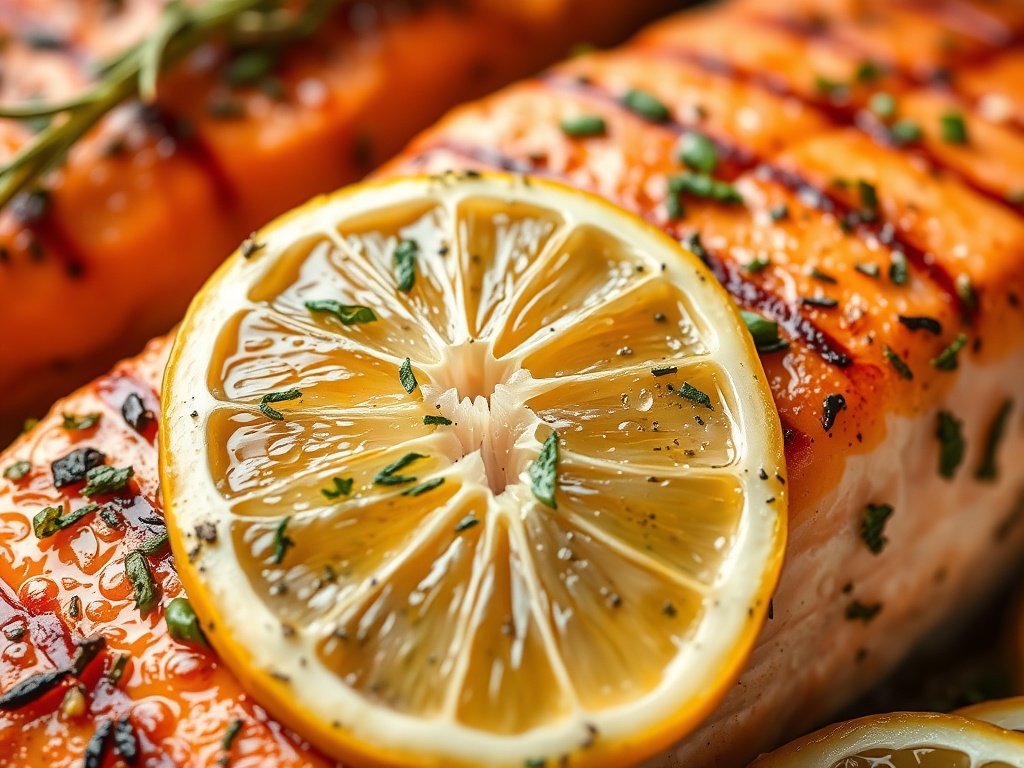
What is healthy meal preparation?
Healthy meal preparation is the foundation of maintaining a balanced diet and achieving your wellness goals. By learning proper cooking techniques, nutrition science, and meal planning strategies, you gain control over your ingredients and portion sizes. This approach eliminates reliance on processed foods and helps you build sustainable eating habits that support long-term health and vitality.
Why is learning to cook healthily important?
Cooking healthy meals at home is one of the most impactful steps you can take toward better health. It allows you to know exactly what goes into your food, avoid hidden sugars and unhealthy fats, and save money compared to restaurants and takeout. When you master healthy cooking, you develop confidence in the kitchen and create meals your family will actually enjoy while supporting their nutritional needs.
What are the key components of a balanced, nutritious meal?
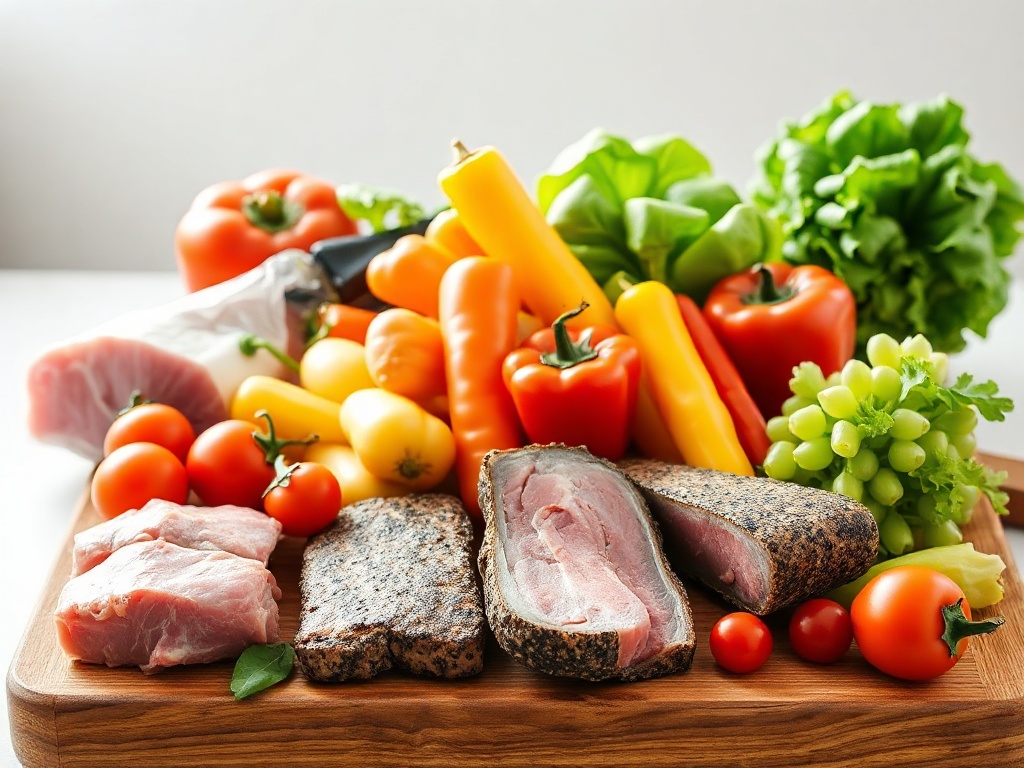
A truly balanced meal includes lean proteins for muscle maintenance, whole grains or complex carbohydrates for sustained energy, colorful vegetables and fruits for vitamins and minerals, and healthy fats from sources like olive oil and nuts. Understanding portion sizes and macronutrient ratios helps you create meals that keep you satisfied longer and provide stable blood sugar levels throughout the day.
How do you prepare vegetables to retain maximum nutrition?
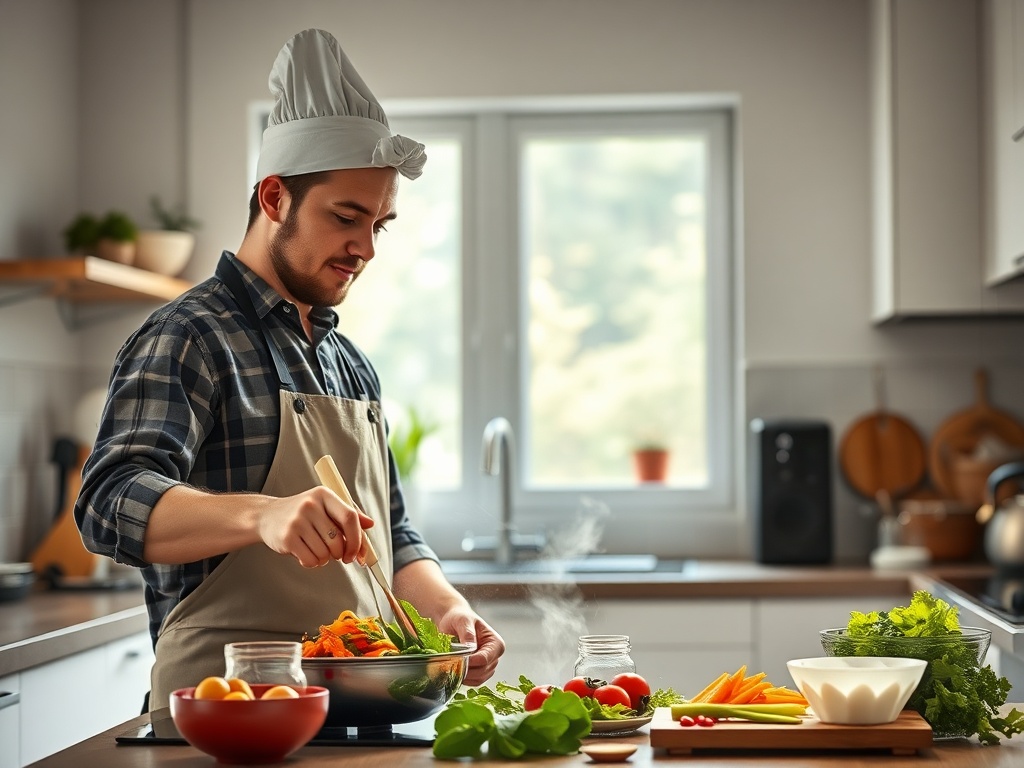
Proper vegetable preparation is crucial for preserving their nutritional value. Steaming and quick sautéing preserve heat-sensitive vitamins better than prolonged boiling. Eating vegetables raw when possible maximizes their enzyme and nutrient content. Learning the right cooking methods for different vegetables ensures you maximize their health benefits while maintaining delicious flavors and appealing textures.
What are the healthiest cooking oils and methods?
Not all cooking oils are created equal. Extra virgin olive oil, avocado oil, and coconut oil offer different nutritional profiles and smoke points suitable for various cooking methods. Understanding when to use each oil, along with techniques like baking, steaming, and stir-frying, helps you prepare delicious food while minimizing the formation of harmful compounds that occur during high-heat cooking.
How can you make meal planning easier and more effective?
Strategic meal planning transforms healthy eating from overwhelming to manageable. By designating a planning day, creating shopping lists organized by grocery section, and preparing components in advance, you ensure healthy options are always available. Batch cooking proteins and chopping vegetables on weekends saves tremendous time during busy weekdays while keeping temptation for unhealthy convenience foods at bay.
Master the fundamentals of healthy cooking with our comprehensive online course

What are quick, nutritious breakfast ideas?
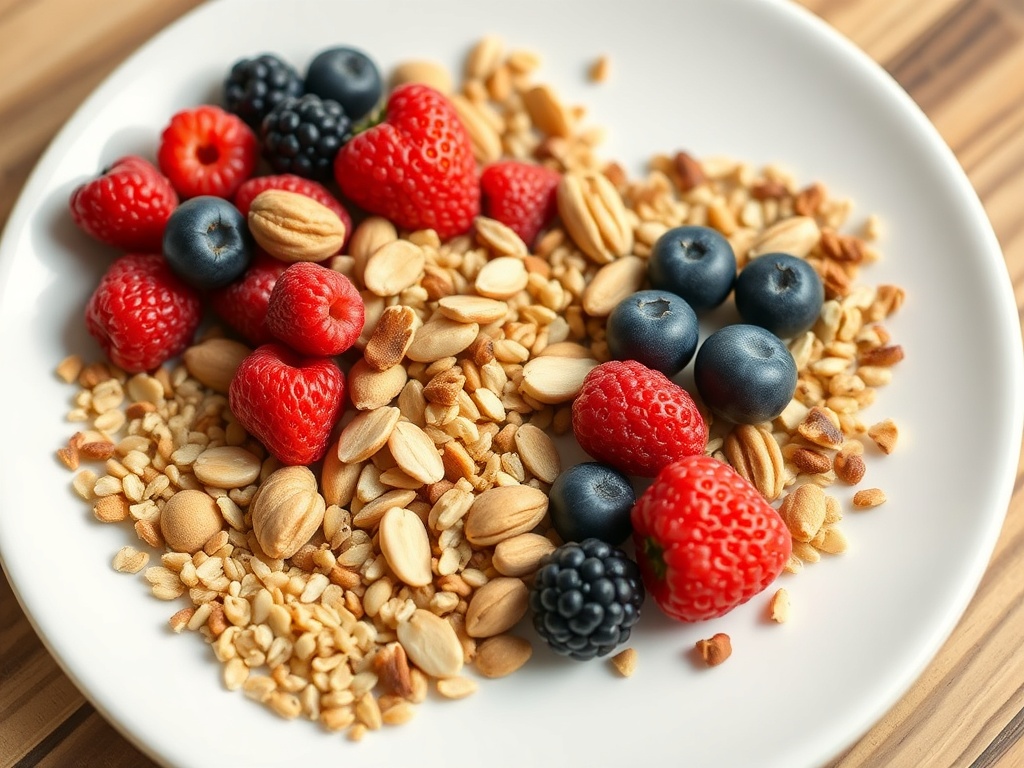
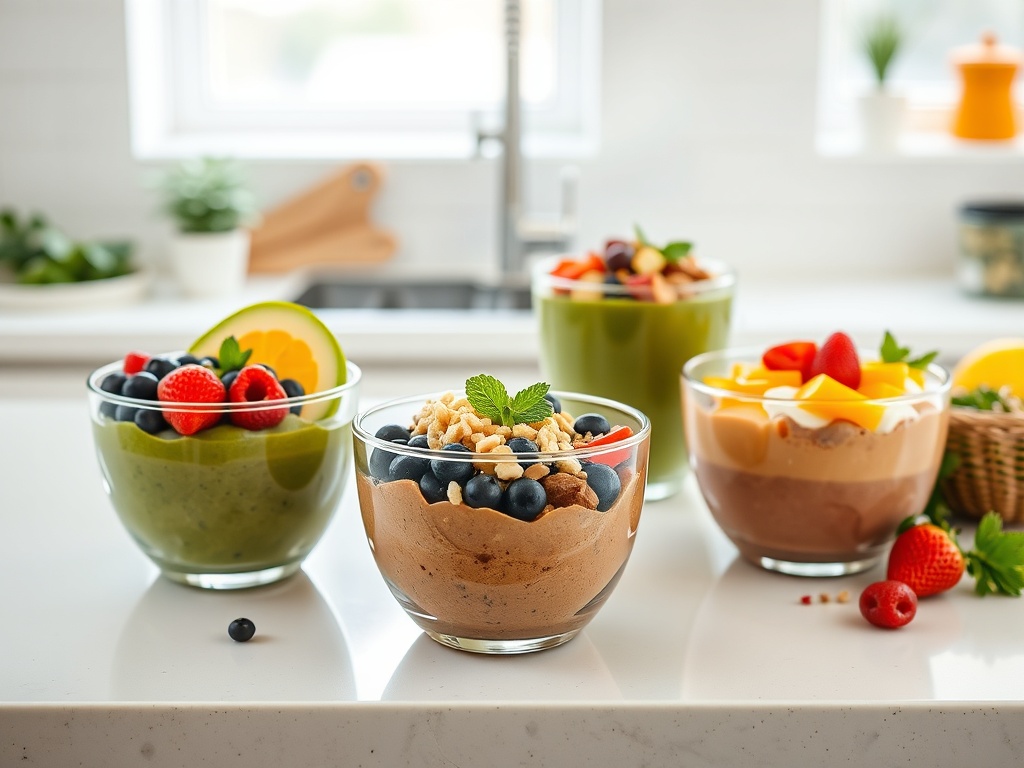
Starting your day with protein and fiber sets the tone for stable energy and reduced cravings. Overnight oats, vegetable omelets, smoothie bowls with Greek yogurt, and whole grain toast with avocado are practical options that take under fifteen minutes. These breakfasts provide sustained satiety and mental clarity to tackle your morning with confidence and focus.
How do you create satisfying plant-based meals?
Plant-based cooking becomes truly satisfying when you combine legumes, whole grains, nuts, and seeds to create complete proteins with all essential amino acids. Learning to layer flavors through spices, herbs, and cooking techniques transforms simple vegetables into crave-worthy dishes. Many discover plant-forward eating actually increases their food enjoyment while supporting their health objectives.
What techniques help reduce sodium while maintaining delicious flavor?
Reducing sodium doesn't mean sacrificing taste. Fresh herbs, citrus juice, garlic, ginger, and spices create depth and complexity that exceed what salt alone provides. Tasting as you cook and building flavors gradually helps you develop palates that actually prefer less sodium. This skill protects your cardiovascular health while making every meal more interesting and genuinely delicious.
How do you prepare healthy snacks that satisfy cravings?
Intentional snack preparation prevents impulsive choices leading to empty calories and sugar crashes. Homemade trail mixes, vegetable crudités with hummus, energy balls made from nuts and dates, and roasted chickpeas provide sustained energy and satisfaction. Having these prepared and accessible makes it easy to nourish your body between meals while supporting your long-term health objectives.
What are strategies for cooking nutritious family meals?
Feeding a family healthy meals requires efficiency and flexibility. Building meals around whole food basics that can be customized to individual preferences saves time and reduces food waste. Teaching family members about nutrition and involving children in meal preparation builds lifelong healthy habits and creates joyful moments around the dinner table.
How do you maintain healthy eating while traveling?
Traveling doesn't require abandoning your health commitments. Planning ahead by researching restaurant options, packing portable snacks like nuts and fruit, staying hydrated, and choosing grilled preparations over fried options helps you navigate any situation confidently. These strategies demonstrate that healthy eating is a flexible lifestyle, not a rigid set of restrictions.
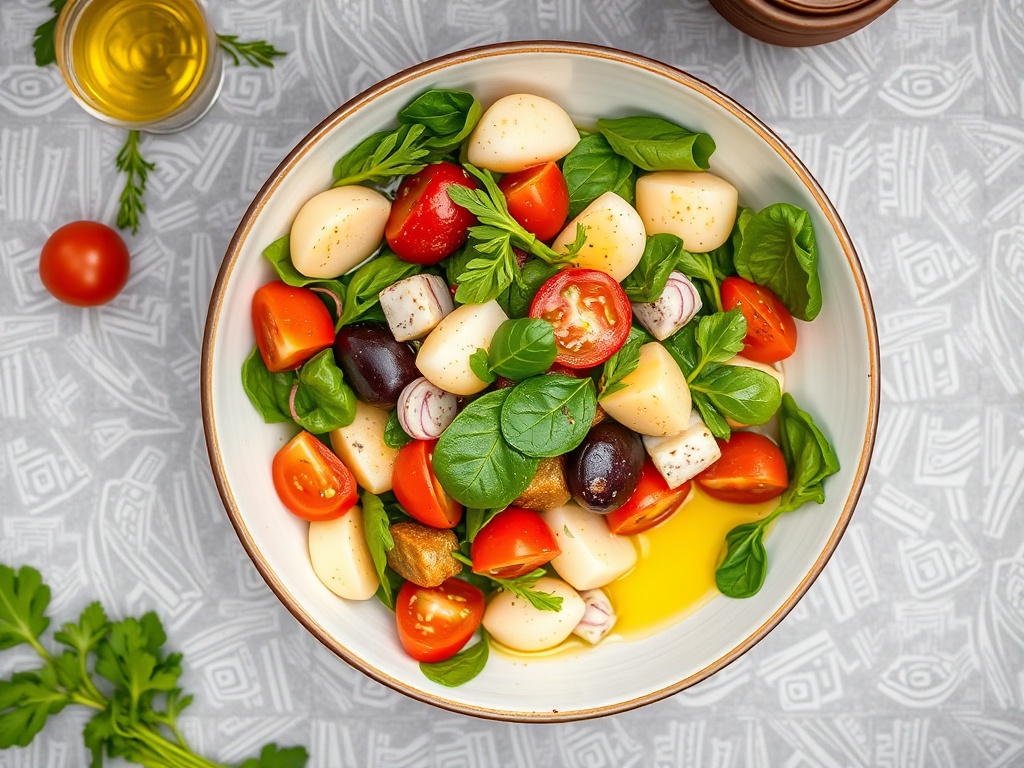

Transform your kitchen skills today
Learn professional healthy cooking techniques in our comprehensive course